


Productivity
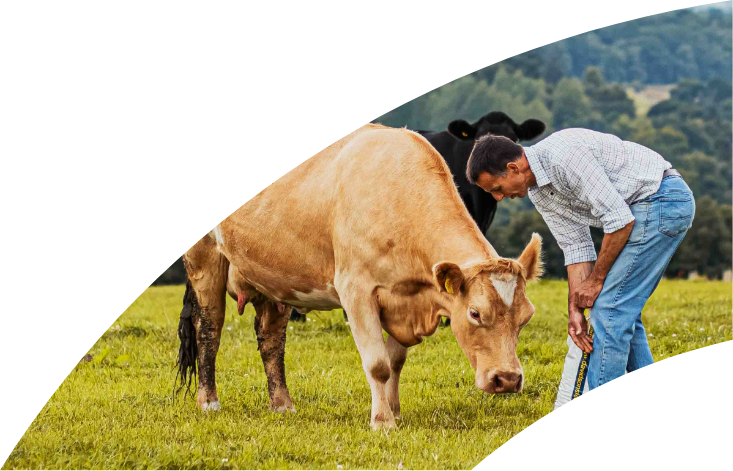
Securing a strong sustainable foundation upon which we can grow a thriving Scottish cattle sector. Focussing on simple metrics like outputs per cow and resilient businesses that grow and continue from one generation to the next.
Understanding Your Business
Most livestock producers are incredibly skilled at what they do, from husbandry skills passed down from generation to generation, to an understanding of how soil on the farm behaves in different seasons.
One thing though, that is less understood are the drivers and levers that make our businesses tick. Understanding what these are is critical to understanding how to improve. To reach a point where producers are confident enough to invest in increasing their livestock enterprise, they must first understand how their business functions.


Planning for Tomorrow
The first step on the journey to understanding your business more effectively is about self-reflection. Take the time to reflect on when your businesses performance has been at its best. When was it? What was your management system like? Were there any disease challenges? What did your supply chain look like? Did your nutrition look different? Were you using grazing differently? Etc…
This area underlines the importance of record keeping and the ability to look back on a year’s performance to analyse potential weaknesses or opportunities.

Adjusting For Now
Undoubtedly one of the most useful exercises that any farm business can undertake is that of an enterprise costing. These can be conducted by professional accountants, consultants, or by participating in benchmarking groups.
Enterprise costings can be as detailed as you need or want. But put very simply; they start with taking your expenditure for the year allocating them to an enterprise then doing the same with income. This provides a net figure for each enterprise and helps understand where the main costs and rewards are within a farm business.
Activity
Undertake an Enterprise Costings Exercise
As noted; these can be conducted by professional accountants, consultants, or by participating in benchmarking groups. But a very simple outline is here:
- Take your farm expenditure for the year
- Allocate the expenditure to each enterprise i.e. cereals, cattle, sheep etc.
- Take your farm income for the year
- Allocate the income to each enterprise
- Identify the net margins for each enterprise

Planning for Tomorrow
The annual cycle of breeding, calving, weaning, selling, and finishing stock every year can seem a stable and constant one but our industry is never far away from being impacted by factors out with our control, from conflict overseas, to excess rain.
One of the key traits any business can build into their system is that of resilience. Resilience by its definition is “The capacity to withstand or to recover quickly from difficulties” – in other words; “toughness.”
One of the best ways to improve your resilience as a business is to develop a level of agility that allows you to react to opportunities.
Activity
Undertake a SWOT Analysis Each Year
One of the simplest tools to get yourself into the right headspace is undertaking an informal SWOT analysis each year either by yourself or as a farm team.
Map out the STRENGTHS, WEAKNESSES, OPPORTUNITIES, and THREATS, your business could be subject to, and this will inevitably lead to a discussion as to how to build resilience in to help develop strengths, capitalise on opportunities, and resist threats.

Case study
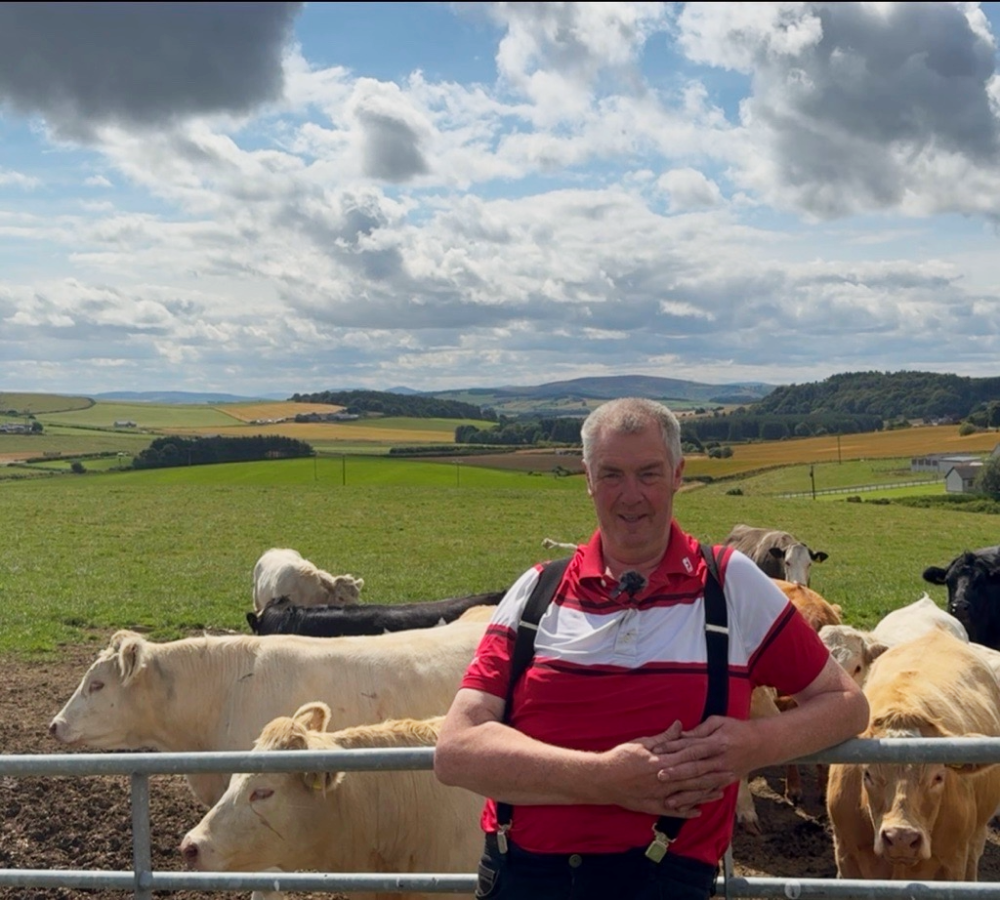
The Duguid’s at North Cranna, Farm Profit Programme
The Duguid’s at North Cranna, near Huntly, signed up for the Farm Profit Programme in 2017. Through the programme the Duguids managed to gain a greater understanding of how their farm business was performing by using data to support their own instincts.